Día Basics
The History of Dia
Trace Dia from Mexico's April 30 Children's Day to Pat Mora's 1996 idea and the library sponsorship that carried Children's Day Book Day nationwide.
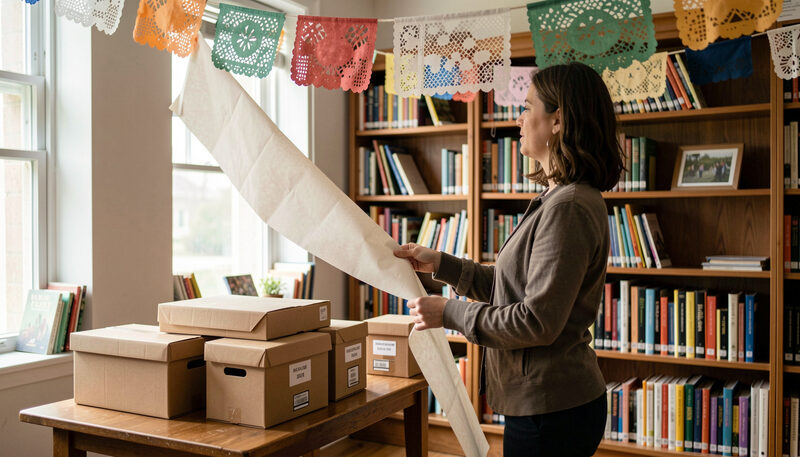
Every April 30, libraries across the United States put books into the middle of a party for children. The party has a name, Día, short for El día de los niños/El día de los libros: Children's Day/Book Day. This page tells the story behind the date, from a Mexican holiday created in the 1920s to the library celebration planned each spring in Texas and far beyond it. The address you are reading has its own place in that story, because this domain hosted the Texas Día program for years.
Where does April 30 come from?
April 30 has been observed as El día del niño, the day of the child, across Mexico since 1925. The date grew out of the international movement for children's welfare that followed the first World Conference for the Well-being of Children, held in Geneva in 1925, which produced the Geneva Declaration of the Rights of the Child. Mexico made the celebration its own: schools hold festivals with games and piñatas, families give small gifts, and many schools celebrate on April 29 so children can spend the day itself with their families. When Día planners talk about honoring children first, that century old custom is the root they stand on.
How did a children's day meet books?
The bridge between the two is the author Pat Mora. In 1996 she learned about the Mexican tradition of celebrating April 30 as El día del niño and asked a question that shaped the next three decades: what if the day for children were also a day for the books that put words in their hands? She began calling the paired celebration El día de los niños/El día de los libros and coined the word bookjoy for the delight a child feels when a story lands. Her account of Día's beginnings is kept on her own website, patmora.com, which remains the primary source for the founding story.
What happened on April 30, 1997?
The first Día celebrations were held on April 30, 1997, in a handful of cities including Santa Fe, New Mexico, and communities in Texas. They were small by later standards: story times, book giveaways, author readings, crafts tables. The idea traveled fast among librarians because it solved a real problem. Libraries already served families celebrating El día del niño; Día gave those families a reason to connect the party with library cards, bilingual story times and home reading. Within a few years the celebration had spread from those first cities to library systems across the country.
Who carried Día into libraries?
Two organizations did the heavy lifting. REFORMA, the national association that promotes library and information services to Latinos and the Spanish speaking, backed the young celebration and pushed it beyond its founding cities. The Association for Library Service to Children (ALSC), a division of the American Library Association, later became the national sponsor of Día and still maintains the celebration's book lists and registration pages at dia.ala.org. The National Council of Teachers of English has also supported the initiative. In 1999, Pat Mora and her family established the Estela and Raúl Mora Award, named for her parents, to honor the libraries that hold the best Día programs each year.
What did Texas add to the story?
Texas played a part out of proportion to its size, partly because Pat Mora is an El Paso author writing about the border her whole career. The Texas Library Association built a Día program that this domain carried for years: a committee, an application process, and grants that helped member libraries buy books and supplies for their April 30 events. Archived copies of the site preserved at the Internet Archive show grant pages for 2004, a press kit, and a tool kit of photocopied chapters covering bibliography, bilingualism, booktalking, storytelling and readers theater. Articles in the Texas Library Journal from that period record how the program grew.
How has Día grown since the early years?
The celebration the founders imagined as one day is now described by its sponsors as a year round commitment that culminates on April 30. ALSC maintains annual national book lists, a registry where libraries list their events, and programming guides in English and Spanish. Librarians mark Día with folk musicians, bilingual story times, puppet shows, book swaps and family writing walls. The shape of each event stays local: a branch library in Houston, a school gym in the Rio Grande Valley and a museum in San Antonio will each run the same promise differently. What they share is the pairing at the heart of the name, children and books on the same day.
What survives of the early Texas program?
The original tool kit chapters are long gone from the live web, but their structure still works, so this magazine rebuilt it: The Dia Tool Kit on this site walks a planner through programming, book talking, storytelling, readers theater and reading aloud in the same order the Texas chapters used. For the money side of a program, Funding a Dia Program: Grants and Budgets covers the grant paths that replaced the old Texas application, from REFORMA mini grants to Friends groups. And for the day itself, How to Plan a Dia Event at Your Library turns the history into a timeline you can follow this spring.
How can you dig into the history yourself?
Three sources reward a slow read. The Día history page published by ALSC at the American Library Association site lays out the institutional timeline, including the 1999 award. Pat Mora's own account at patmora.com/whats-dia explains the founding idea in her words, bookjoy first. And the archived snapshots of this very domain, reachable through the Internet Archive's Wayback Machine, show what a state Día program looked like when a tool kit was a stack of PDFs on a FrontPage site. Read together, they explain why April 30 looks the way it does in American libraries.